

What I am still learning
/
Reflections on feminism, privilege, and the responsibility of being a man
I did not arrive at feminism through certainty. I arrived through experience, through reading, through writing, and through the slow recognition that many of the systems I navigated comfortably were not built with everyone in mind.
For much of my early life, I did not question the structures around me. Like many men, I inherited a world where certain advantages felt natural simply because they were familiar. My voice was rarely questioned in professional rooms. My safety in public spaces was something I assumed rather than calculated. My ambition was encouraged without the quiet skepticism that women often encounter when they take up space or authority. What felt natural to me often obscured the inequities experienced by others.
My understanding began to shift as I started listening more closely to the ways women have long described their experiences. History shows clearly how systemic exclusion has shaped our world. For generations, women were denied rights and opportunities that men often took for granted: voting, owning property, financial independence, professional authority, leadership in public life, and control over their own bodies. Feminism grew from that persistent refusal to accept inequality as natural.
Reading feminist thinkers helped me see how often feminism is mischaracterized, particularly by men. Many grow up hearing it described as confrontational or divisive, but what I found was far more grounded. To me, feminism is not a belief in abstract equality. It is a lens for noticing how social systems privilege some while constraining others, across gender, race, class, sexuality, and ability, and for learning how to participate in dismantling those structures. True liberation requires confronting the legacies of patriarchy, hierarchical thinking, and rigid ideologies that have long dictated whose lives are valued and whose labor is considered expendable.
One moment that made this impossible for me to ignore came while reading Invisible Women. The book describes something both simple and staggering: much of the modern world has historically been designed using male data as the default. Crash test dummies modeled on male bodies, medical research conducted predominantly on men, professional hierarchies structured around domestic expectations typical of men. None of these choices were always intentional, yet their consequences are profound. That realization changed how I approach my work in media and advertising, how I listen during research, how I interpret data, and how I advocate for more inclusive perspectives in the decisions that shape business, policy, and culture.
These lessons were amplified in my relationships. Conversations with women I care about, friends, colleagues, mentors, exposed me to the ongoing realities of toxic masculinity, inequality, and social expectation. Listening carefully, I began to understand that supporting women is not simply about agreement or empathy; it is about believing their experiences, challenging assumptions, and using the positions I occupy to advocate for fairness and inclusion.
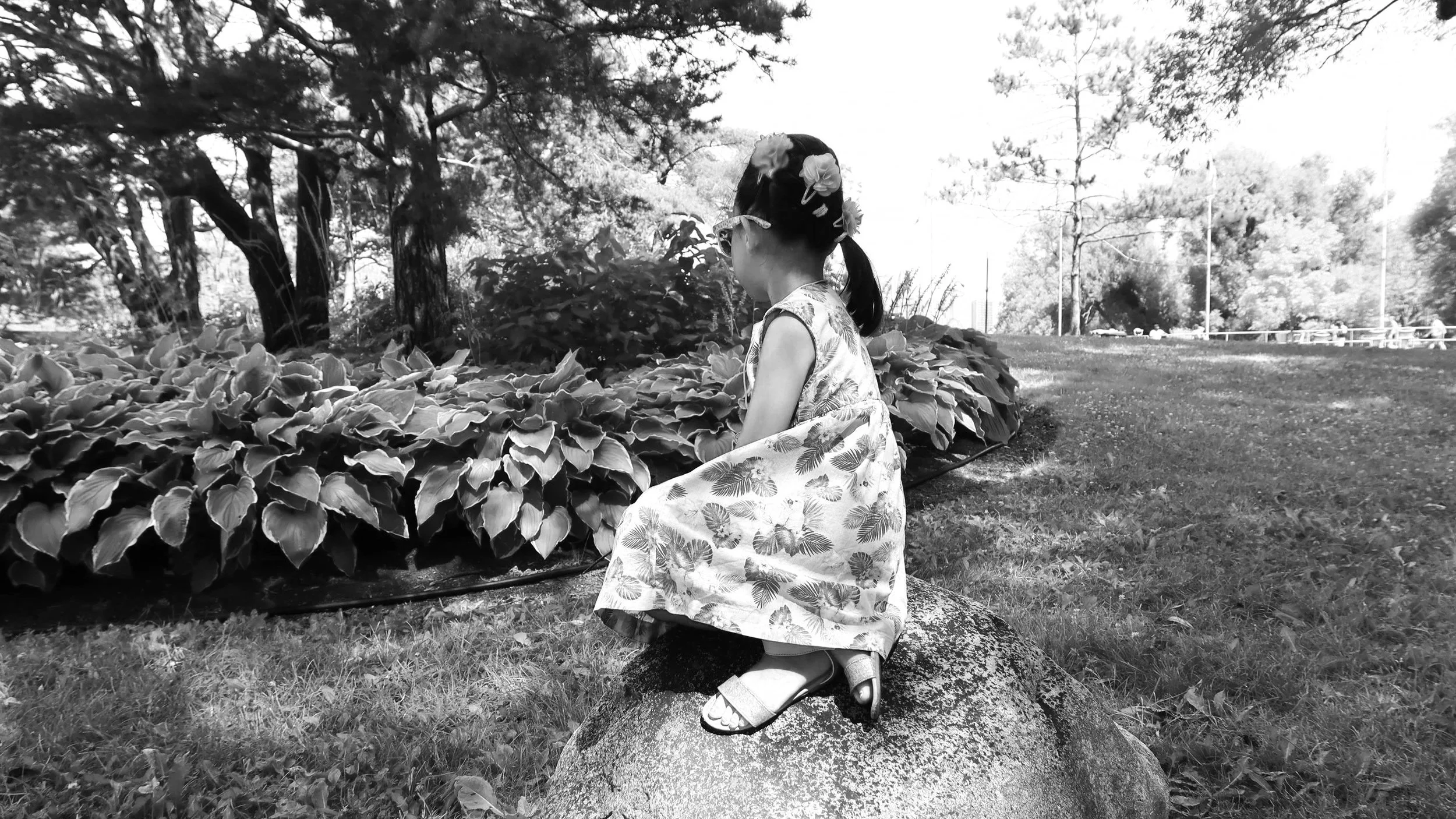
Fatherhood made this even more urgent. There was a moment when I realized that how I navigate the world, the words I use, the examples I set, the responsibilities I take on, would shape how my daughter sees men, authority, and her own potential. I am aware that she is watching not just what I say about equality, but how I act when fairness is at stake. That responsibility has made reflection immediate, necessary, and ongoing.
Feminism, to me, is not about reversing power or creating new hierarchies. It is about expanding the possibilities of how we live together, dismantling systems that have historically confined both women and men. It is about safety, dignity, autonomy, and the right for every person to participate fully in society. It is about noticing when structures, in work, in policy, in culture, fail to account for lived experience beyond the defaults we inherit, and doing what we can to challenge them.
Writing about these ideas in my book deepened my awareness. I knew one day my daughter might read these reflections with the clarity that comes with adulthood, and I wanted her to see the values guiding my thinking, not as perfection, but as commitments I strive to live by. Writing required honesty, confronting both the influence of women in my life and the limits imposed on men by the narrow definitions of masculinity I had absorbed.
I do not see myself as an authority on feminism. I am a learner, a man who benefits from certain privileges, an immigrant navigating belonging, a father modeling values, a brother and friend committed to supporting the women in my life. Each of these roles requires attentiveness: listening carefully, recognizing invisible patterns, challenging normalized inequality, and encouraging men to reconsider the ways they have been taught to understand power and strength.
Feminism, to me, is also an act of imagination. It asks us to envision a society where safety is assumed rather than negotiated, where leadership is not filtered through gendered expectations, where autonomy and dignity are foundational. This vision does not diminish men. It invites us to step into a more honest, more capable version of ourselves.
If feminism succeeds, it will not only transform the lives of women. It will reshape the culture that shapes all of us.
The work, like most meaningful work, remains unfinished. What matters most is not perfection, but the direction we choose, and the care with which we move forward.
— Sincerely, Boris